What Is PRX-T33?
PRX-T33 is a professional skin treatment that sits somewhere between a peel and a skin booster. It contains trichloroacetic acid (TCA) at 33%, which on its own would be a strong medium-depth peel. In PRX-T33, the TCA is moderated by a low concentration of hydrogen peroxide, and it also contains kojic acid, which is often used to help with uneven skin tone.
The way these ingredients work together is what makes PRX-T33 different. The formula is designed to stimulate the deeper layers of the skin while keeping the effect on the surface gentle. That is why you will often hear it described as "needle-free biorevitalisation": the aim is to encourage the skin to renew and refresh itself, without needles and without the heavy shedding people associate with traditional TCA peels.
How a Session Works
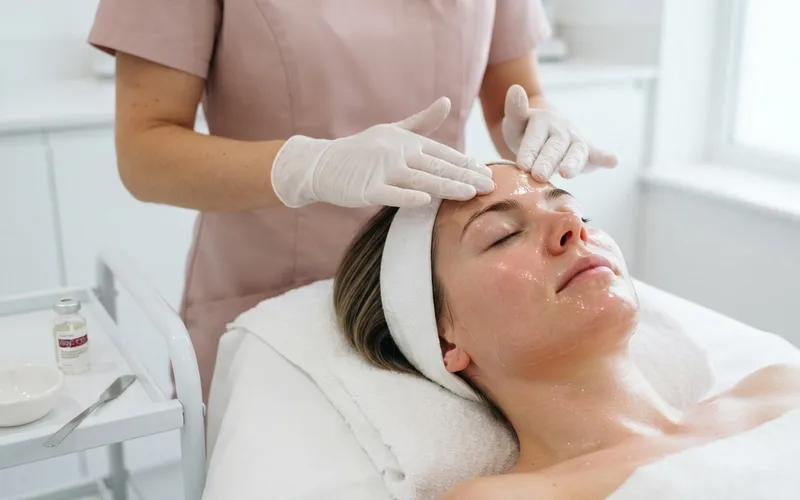
PRX-T33 is not painted on and left to sit like many peels. In my clinic I cleanse your skin first, then massage the product in by hand, wearing gloves, using firm fingertip movements. It is applied in layers, and I watch how your skin responds between each one. The number of layers depends on your skin and what we are working on.
Once the final layer is done, the product is removed and a soothing moisturiser is applied.
What Does It Feel Like?
Most people describe a warm, tingling sensation, sometimes with a short spell of itching or prickling while the product is being worked in. It builds a little with each layer and settles quickly once the layer is massaged in. There are no needles and no numbing cream is needed. I check in with you throughout, and if your skin is telling me it has had enough, we stop.
Who PRX-T33 Suits
PRX-T33 is a good option for people who want to improve how their skin looks and feels, rather than lift or tighten it. It is commonly used for:
- Rough or uneven texture, including enlarged-looking pores
- Dullness, when skin looks tired and lacks glow
- Fine lines, particularly around the eyes and cheeks
- Mild acne scarring, where the skin surface is uneven
- Pigmentation, such as sun spots and uneven tone
- Stretch marks on the body, where it can help soften their appearance
If your main concern is sagging along the jawline or a heavier brow, PRX-T33 is not the right tool. That is where a treatment like HIFU, which works on deeper structural layers, makes more sense. You can read more in What Is HIFU?.
Before and After: What to Expect
When people search for "PRX-T33 before and after", they often see dramatic photos. I would always encourage you to look at real, unedited photos in similar lighting, and to remember that everyone's skin responds differently. A typical course is 3 to 5 sessions, spaced about a week apart. Many people notice their skin looks brighter within a few days of the first session, with texture, fine lines and pigmentation improving gradually over the course and the weeks that follow.
PRX-T33 is not a one-off miracle, and I will never promise a particular result. What I can do is give you an honest view at your consultation of what is realistic for your skin.
Aftercare
One of the reasons people like PRX-T33 is that most return to normal activities straight away. There is usually little or no visible peeling, though a few people notice light flaking for a day or two, particularly later in the course. Aftercare is simple but important:
- Wear a broad-spectrum SPF every day, even when it is cloudy
- Keep your skincare gentle: a mild cleanser and a good moisturiser
- Pause strong actives such as retinol and acids for a few days, or as advised
- Avoid saunas, steam rooms and very hot showers for the first day or so
- Do not pick at any flaking skin
Who Should Avoid PRX-T33
PRX-T33 is not suitable for everyone. It is generally avoided during pregnancy and breastfeeding, and it should not be used over an active skin infection, cold sores or broken skin. Certain medications and skin conditions may also mean it is not right for you, or not right just now. This is why every treatment starts with a consultation. I will go through your medical history and look at your skin before deciding whether PRX-T33 is a safe choice.
PRX-T33 vs Traditional Peels vs Microneedling
Traditional chemical peels range from very light to medium depth. Deeper peels can produce excellent results, but often come with several days of visible peeling and a longer wait before you feel ready to be seen. PRX-T33 aims for some of the benefits of a TCA peel with far less surface disruption. For a full picture of how standard peels work, see Chemical Peel Before and After.
Microneedling uses fine needles to create tiny channels in the skin, which prompts a healing response. It is very effective for scarring and texture, but it does involve needles, some redness for a day or two, and careful aftercare. My guide to Microneedling Aftercare explains what recovery looks like.
PRX-T33 suits people who want visible improvement without needles and with minimal downtime. Some people combine approaches over time, and I am happy to talk through what would work best for you.
PRX-T33 Near You
I offer PRX-T33 at Amina Beauty in Dunstable, and clients come from Houghton Regis, Luton, Leighton Buzzard and across Bedfordshire and Hertfordshire. You can find more detail on the PRX-T33 in Dunstable page, and see our treatments page for current prices.
Wondering If PRX-T33 Is Right for You?
Book a consultation at Amina Beauty in Dunstable. I will look at your skin, talk through your goals and give you an honest view on whether PRX-T33, or something else, would suit you best.
Frequently Asked Questions
Is the PRX-T33 peel worth it?
For the right person, yes. It is worth considering if your concern is dullness, rough texture, fine lines, mild scarring or uneven tone and you cannot take time off for a traditional peel. It is not the right choice if you want lifting or tightening, because it does not work on the deeper structural layers. I will give you an honest view at your consultation.
How long does a PRX facial last?
The appointment itself is usually under an hour. The glow after one session tends to last a few days to a couple of weeks, while the improvement from a full course of 3 to 5 sessions, about a week apart, can last for several months with daily SPF and good skincare. Many people book occasional maintenance sessions. Results vary from person to person.
Is PRX better than microneedling?
They do different jobs. PRX-T33 is better if you want brighter, smoother skin with no needles and almost no downtime. Microneedling is usually the stronger choice for acne scars and deeper texture, but it involves needles and a day or two of redness. Some people benefit from both at different times.
What is better, BioRePeel or PRX-T33?
Neither is better for everyone. Both are TCA-based, needle-free treatments with low downtime, but they are different branded formulas, and the skill of the practitioner matters more than the brand. I offer PRX-T33 only. My full comparison is in PRX-T33 vs BioRePeel vs Skin Boosters.
Does PRX-T33 make your skin peel?
Most people see little or no visible peeling. Some notice light flaking for a day or two, especially after the second or third session, but it is usually mild enough to be hidden with a gentle moisturiser.
How much does PRX-T33 cost?
Please see our treatments page for current prices for single sessions and courses. Every treatment starts with a consultation so we can check PRX-T33 is right for you.