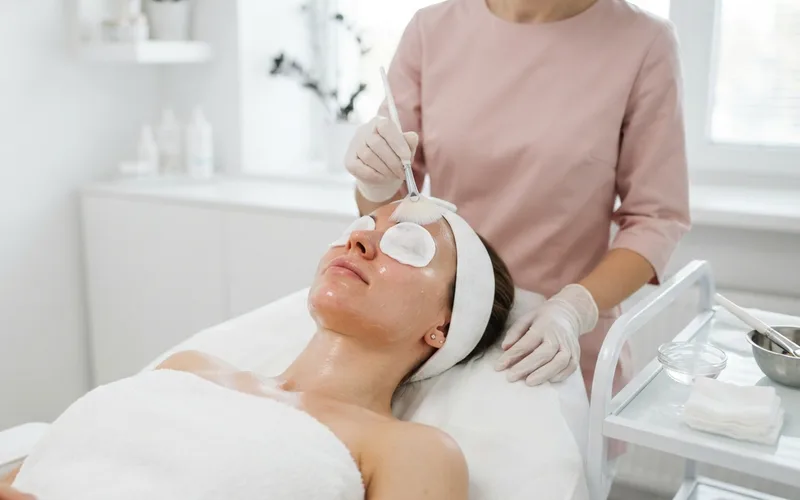
What a Chemical Peel Does
A chemical peel uses a carefully chosen acid, or blend of acids, to speed up the skin's natural process of shedding old cells. As the outer layers renew, many people see brighter, smoother, more even-looking skin. Different peels work at different depths. Superficial peels, often using acids such as glycolic, lactic or salicylic acid, work on the very top layers. Medium-depth peels, such as many TCA peels, go a little further and usually come with more noticeable peeling.
The right peel depends on your skin, your concern and how much downtime you can manage. That decision starts well before the day itself.
Before the Peel
Consultation. In my clinic every peel starts with a consultation. I ask about your medical history, medications, skincare routine and any previous reactions, and I look closely at your skin. This is where we decide whether a peel is suitable, and which one.
Patch test. For many peels I carry out a patch test beforehand, so we can see how your skin reacts before treating your whole face.
Pause retinoids and strong actives. You will usually be asked to stop retinol, prescription retinoids and exfoliating acids for several days before your peel, sometimes longer. I will give you a specific timeframe.
Avoid tanning. Sunbeds, sunbathing and fake tan should be avoided in the weeks before. Recently tanned or sunburnt skin is more likely to react, and some peels will need to wait.
Tell me about cold sores. If you are prone to them, let me know. Peels can sometimes trigger a flare-up.
On the Day
A peel appointment follows a clear sequence:
- Cleanse. Your skin is cleansed thoroughly and degreased so the peel can work evenly.
- Protect. Your eyes are protected, and sensitive areas such as the corners of the nose and lips may have a barrier applied.
- Apply. The peel is applied evenly across the treatment area.
- Time. Most peels are timed carefully. I watch your skin throughout and ask how it feels.
- Neutralise or remove. Depending on the peel, it is either neutralised or removed, then a soothing product and SPF are applied.
Most people feel warmth, tingling or stinging that builds for a short while and then fades.
After the Peel: Day by Day
Superficial peels
- Day 1: Skin may look pink and feel tight, a little like mild windburn.
- Days 2 to 3: Some dryness and light flaking, often around the mouth and nose.
- Days 4 to 7: Flaking settles and skin usually looks brighter and smoother.
Many people carry on with normal life throughout, with good moisturiser and SPF.
Medium-depth peels
- Day 1: Redness and tightness, sometimes with mild swelling.
- Days 2 to 3: Skin may darken slightly and feel like leather before it starts to peel.
- Days 3 to 6: Visible peeling, sometimes in larger sheets. This is the stage to plan around.
- Day 7 onwards: Fresh, pink new skin, which settles over the following week or two.
Throughout recovery: do not pick or pull at peeling skin, moisturise well, wear SPF every day, avoid heat, saunas and heavy exercise for the first few days, and keep skincare gentle until I say otherwise.
Realistic Results by Concern
Pigmentation. Peels can help fade sun spots, uneven tone and marks left after spots. Results build over a course, and pigmentation can return without daily SPF. Melasma needs a cautious, gentle approach and can be stubborn.
Texture. Rough, uneven skin and enlarged-looking pores often respond well, with smoother skin after a few sessions.
Acne scars. Peels can soften shallow scarring and help with the marks acne leaves behind. Deeper, pitted scars usually respond better to microneedling, sometimes combined with peels. See my microneedling aftercare guide for what that treatment involves.
Dullness. This is often where people notice a difference fastest, sometimes after a single session.
How Many Sessions?
Superficial peels are usually done as a course of around three to six sessions, spaced a few weeks apart. Medium-depth peels are done less often, with longer gaps between them. I will suggest a plan based on your skin and your goals, and we review it as we go.
How PRX-T33 Differs
PRX-T33 contains TCA, so it is related to chemical peels, but it is designed to work differently. It is massaged into the skin in layers and usually causes little or no visible peeling, so most people return to normal activities straight away. It can be a good choice if you want improvement in texture and tone without the downtime of a medium-depth peel. You can read more in PRX-T33 Explained.
An Honest Note on Before and After Photos
Searching "chemical peel before and after" will show you some striking photos. Please be careful with them. Lighting, makeup, angles and editing can all change how skin looks. Any before and after photos you rely on should be real, unedited and taken in the same conditions. Results vary from person to person, and nobody can guarantee a specific outcome.
Chemical Peels in Dunstable
I offer chemical peels at Amina Beauty in Dunstable, with clients coming from Houghton Regis, Luton and the surrounding areas. More detail is on the chemical peels in Dunstable page, and current prices are on our treatments page. If you are new to clinic treatments, a facial can also be a gentle place to start.
Considering a Chemical Peel?
Book a consultation at Amina Beauty in Dunstable. I will assess your skin, explain which peel would suit you and talk honestly about what results to expect.
Frequently Asked Questions
What's the worst day after a chemical peel?
For most people it is around day two or three. That is when skin feels tightest and flaking or peeling usually starts. After a superficial peel this is often just dryness around the mouth and nose. After a medium-depth peel, days three to five tend to be the most visible, so plan around them.
What are the downsides of a chemical peel?
The main downsides are temporary redness, tightness, flaking and sensitivity, and with deeper peels several days of visible peeling. Less commonly, peels can trigger cold sores or cause pigment changes, which is more likely in deeper skin tones or if aftercare and SPF are skipped. Most concerns also need a course rather than one session.
How long should a chemical peel last?
The peel itself is usually on the skin for only a few minutes, and the whole appointment is typically under an hour. Recovery ranges from a day or two for a superficial peel to about a week for a medium-depth peel. Results can last for months with daily SPF and good skincare, though most people benefit from occasional maintenance.
How painful is a chemical peel?
Most people feel warmth, tingling or stinging that builds for a short while and then fades once the peel is neutralised or removed. Superficial peels are usually very manageable. Medium-depth peels feel more intense. I check in with you throughout, and we can stop at any point.
What type of peel is best for ageing skin?
For fine lines, dullness, uneven tone and rough texture, a course of superficial to medium-depth peels, or a TCA-based treatment such as PRX-T33, is often a good fit. Peels do not lift sagging skin, so for a softer jawline or jowls a treatment such as HIFU is more suitable. I will suggest the right approach at your consultation.
Is PRX-T33 a chemical peel?
PRX-T33 contains TCA, so it is related to chemical peels, but it is designed to work differently. It is massaged into the skin in layers and usually causes little or no visible peeling, so most people return to normal activities straight away.