Why Some HIFU Treatments Do Not Work
HIFU is a clinically validated treatment with a strong evidence base when delivered correctly. The problem is that correct delivery requires three things: the right machine, the right settings, and a trained operator. Budget treatments often fall short on at least one of these.
Here is what can go wrong and why it matters.
The Machine
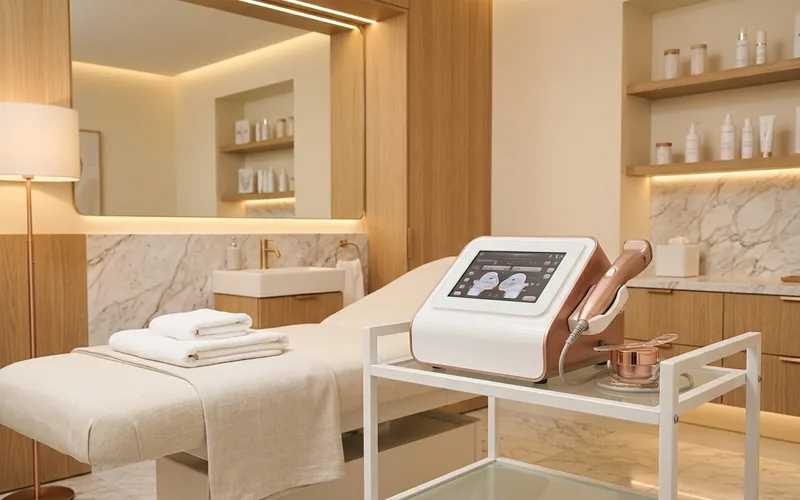
HIFU machines vary enormously in quality. At the professional end, you have devices that deliver precise, calibrated energy at verified depths: typically 1.5mm, 3mm and 4.5mm, with the 4.5mm depth targeting the SMAS layer where structural lifting happens.
At the budget end, there are machines that look superficially similar but do not deliver energy accurately or consistently. Many of the low-cost devices flooding the market have no independent clinical testing and produce energy that is too shallow or too diffuse to stimulate meaningful collagen remodelling at the SMAS layer.
If the energy does not reach the right depth at the right intensity, no structural change occurs. You may feel some warmth during the session, but the result you are looking for will not follow.
The Operator
HIFU requires genuine anatomical knowledge. The face has areas where nerves and vessels sit close to the surface. Applying the wrong energy level in the wrong area can cause burns, nerve irritation, or fat atrophy. These are rare with a well-trained operator but become real risks when the person holding the device has had only a weekend course or less.
A qualified practitioner will:
- Map treatment areas based on your individual anatomy before beginning
- Adjust energy settings by area rather than using a single setting throughout
- Know which areas to approach with lower intensity and why
- Explain what you should and should not feel during treatment
An untrained operator typically applies a single setting across the face and moves quickly. The treatment may be less uncomfortable but it is also less effective and less safe.
The Settings
Even with a good machine and a trained operator, HIFU can underperform if the energy settings are too conservative. Undertreating is common in budget settings because lower intensities feel more comfortable and carry less risk of adverse reactions. But below a certain energy threshold, the thermal stimulus is not sufficient to trigger meaningful collagen synthesis.
This is a difficult thing for a client to detect in the moment. The session feels much the same whether or not the energy is at the level needed. The difference only becomes apparent three to six months later when the expected results do not appear.
Red Flags to Watch For
Before booking any HIFU treatment, consider these:
The price is very low. Full-face professional HIFU in the UK should cost between £300 and £600 at a reputable clinic. Prices below £150 for a full face are almost always a sign that corners are being cut, whether on the machine, the consumables, the operator training, or all three.
You cannot find out what machine is being used. A reputable clinic will name their device. If a clinic is evasive or vague about their equipment, that is a reason for concern.
No consultation is offered. A proper HIFU treatment should begin with a face-to-face or video assessment of your skin, your medical history, and your goals. A provider who will book and treat you without any consultation is not assessing your suitability.
The operator cannot explain the treatment in clinical terms. Ask how deep the energy is being delivered, what layers are being targeted, and what the expected timeline is. A trained practitioner can answer all of these clearly and without hesitation.
No before and after photos of their own clients. Stock images or unattributed results are not evidence. Ask to see documented outcomes from clients the practitioner has actually treated.
What a Good HIFU Treatment Looks Like
A professional session involves a proper consultation, a thorough skin assessment, clear discussion of what results are realistic for your skin, mapped treatment zones with appropriate energy settings per area, and honest aftercare guidance.
You should leave with a clear understanding of the timeline, what to expect in the weeks following, and when to return if you have any concerns. That level of care is not consistent with a £99 flash deal.
At Amina Beauty, every HIFU client begins with a free consultation. I assess your skin in person, explain exactly what I can achieve with your specific anatomy, and only proceed when I am confident the treatment is appropriate for you.
Book a Free HIFU Consultation
Find out what professional HIFU can realistically achieve for your skin. Consultations at Amina Beauty in Dunstable are always free and no-obligation.
Frequently Asked Questions
Why did my cheap HIFU not work?
Cheap HIFU treatments often use lower-grade machines, underpowered energy settings, or are delivered by untrained operators. If the energy does not reach the SMAS layer at the correct depth and intensity, the collagen stimulation needed for a visible result does not occur.
How do I know if a HIFU clinic is reputable?
Look for a practitioner with documented aesthetics training, a named machine from a recognised manufacturer, before and after photos of their actual clients, and transparent pricing. Avoid providers who cannot tell you what machine they use or who offer no consultation before treatment.
Is HIFU regulated in the UK?
HIFU is not currently a regulated treatment in the UK, which means anyone can legally offer it without formal training or a licensed machine. This is why provider selection matters. Always ask about training, the specific machine used, and whether the practitioner carries insurance.
What machine does Amina Beauty use for HIFU?
Amina Beauty uses professional-grade HIFU equipment calibrated for facial and body treatments. Details are available on the technology page or at consultation.